The Journal2 June 2026
The Psychology Behind Swipe Fatigue on Dating Apps
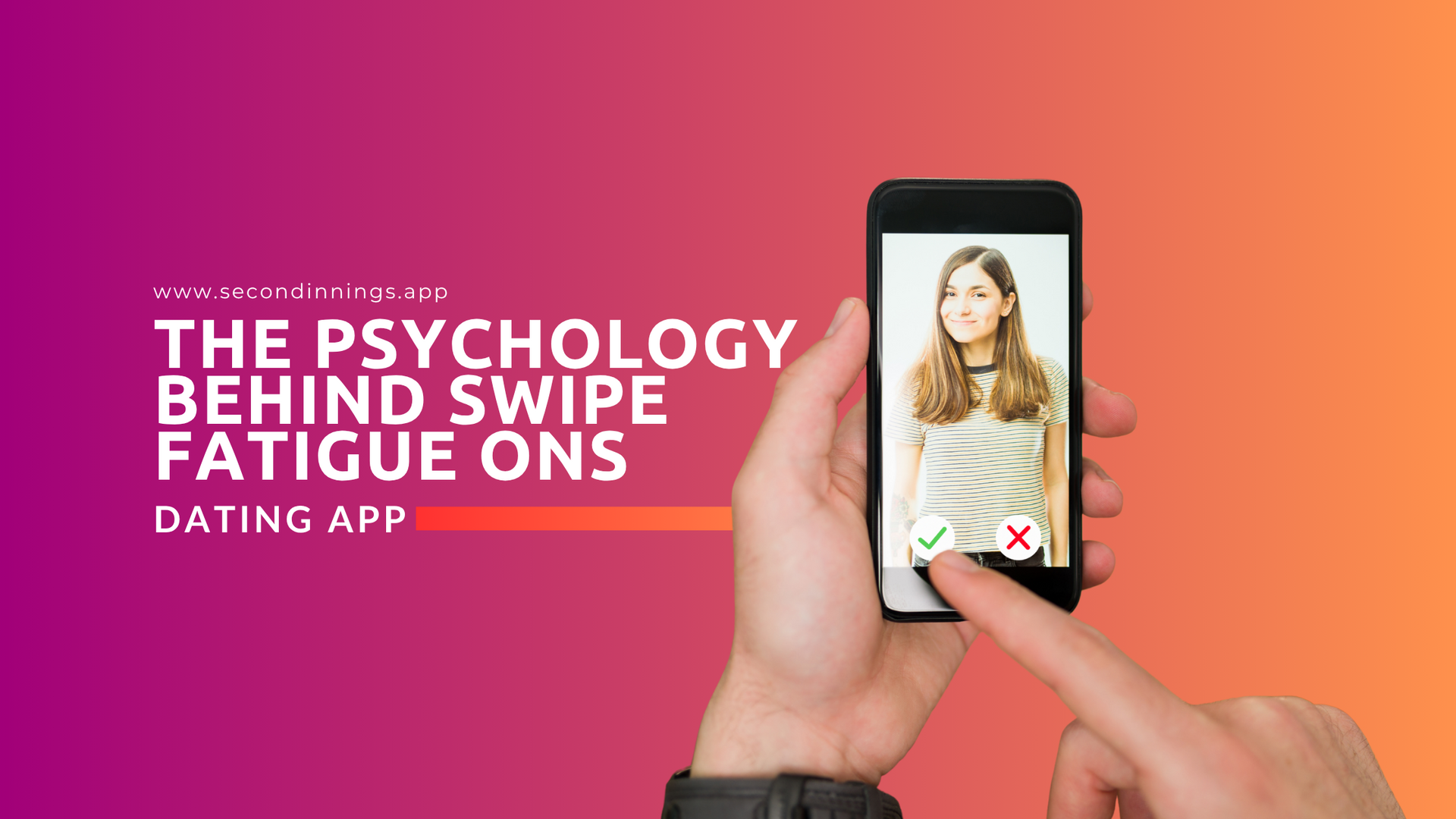
Online dating has transformed how people meet and connect. What once felt exciting and convenient has now become emotionally exhausting for many users. In 2026, one of the biggest challenges in modern online dating is swipe fatigue.
People are spending hours scrolling through profiles, making quick judgments, starting conversations that go nowhere, and repeating the same cycle every day. While dating apps promised endless opportunities, many users now report feeling emotionally drained instead of emotionally fulfilled.
This growing frustration is changing how people think about relationships and digital connection.
Platforms like Second Innings are part of a new shift toward meaningful, compatibility-focused dating experiences designed to reduce emotional burnout and encourage real human connection.
What Is Swipe Fatigue?
Swipe fatigue refers to the emotional exhaustion caused by prolonged use of swipe-based dating apps.
It happens when users become overwhelmed by:
-
Endless profile browsing
-
Repetitive conversations
-
Low-quality matches
-
Ghosting experiences
-
Decision overload
-
Lack of meaningful connection
The constant cycle of swiping can make dating feel less personal and more transactional.
Many users eventually lose excitement and begin feeling emotionally disconnected from the entire experience.
Why Swipe Fatigue Happens
1. Too Many Choices Create Mental Exhaustion
Modern dating apps provide access to thousands of profiles instantly.
While this sounds beneficial, psychology research shows that too many options can increase stress and reduce satisfaction. This is known as “choice overload.”
Users often:
-
Keep searching for someone “better”
-
Struggle to commit to conversations
-
Lose focus on genuine compatibility
-
Feel emotionally overwhelmed
Instead of creating better relationships, excessive choice often creates emotional fatigue.
2. The Brain Starts Treating Dating Like a Game
Swipe-based apps are designed around instant rewards.
Every match triggers small dopamine responses in the brain, similar to social media notifications and gaming systems.
Over time, users may become addicted to:
-
Validation
-
Matches
-
Attention
-
Endless browsing
This creates short-term excitement but long-term emotional exhaustion.
Eventually, many users stop viewing profiles as real people and start treating dating as repetitive entertainment.
3. Superficial Judgments Increase Emotional Disconnection
Most swipe-based apps encourage users to make decisions within seconds based mainly on:
-
Photos
-
Appearance
-
Short bios
This creates a highly surface-level experience.
As a result:
-
Meaningful compatibility is often ignored
-
Conversations feel repetitive
-
Emotional connection becomes difficult
-
Users feel less emotionally invested
Many people now want deeper relationship experiences that go beyond appearance alone.
4. Ghosting and Inconsistent Communication
One of the biggest causes of dating app burnout is ghosting.
Users frequently experience:
-
Unanswered messages
-
Disappearing matches
-
Inconsistent communication
-
Emotionally unavailable interactions
These experiences create emotional frustration and reduce trust in online dating.
Over time, repeated disappointment can negatively affect confidence, motivation, and emotional wellbeing.
5. Constant Comparison Affects Mental Health
Dating apps encourage constant comparison.
Users often compare:
-
Looks
-
Lifestyle
-
Career status
-
Popularity
-
Match success
This can create:
-
Anxiety
-
Lower self-esteem
-
Fear of rejection
-
Emotional insecurity
Psychologists suggest that excessive comparison on digital platforms may contribute to emotional burnout and dissatisfaction.
How Swipe Fatigue Is Changing Modern Dating
The rise of swipe fatigue is causing a major shift in online dating culture.
Users are increasingly moving toward:
-
Compatibility-focused platforms
-
Slower dating experiences
-
Intentional conversations
-
Emotionally mature relationships
-
AI-assisted matchmaking
-
Verified communities
People no longer want endless swiping. They want:
-
Authenticity
-
Trust
-
Emotional safety
-
Genuine connection
This shift is reshaping the future of online relationships.
The Rise of Meaningful Relationship Platforms
Modern users are now prioritizing:
-
Emotional compatibility
-
Shared values
-
Relationship goals
-
Better communication
-
Long-term connection
Apps designed around real compatibility rather than addictive swiping experiences are becoming increasingly popular in 2026.
Platforms like Second Innings focus on helping users build authentic connections through compatibility-driven experiences instead of endless scrolling and superficial engagement.
How Users Can Reduce Swipe Fatigue
Experts recommend several ways to create a healthier dating experience:
Limit Daily Swiping
Avoid spending hours continuously browsing profiles.
Focus on Quality Over Quantity
Meaningful conversations matter more than large numbers of matches.
Take Breaks From Apps
Digital detox periods can improve emotional wellbeing.
Prioritize Compatibility
Choose platforms focused on genuine relationships rather than addictive engagement systems.
Be Intentional
Clear communication and realistic expectations improve online dating experiences significantly.
The Future of Online Dating Psychology
The future of dating apps is becoming more emotionally intelligent and human-centered.
Experts predict growth in:
-
AI compatibility systems
-
Emotional wellness integration
-
Slower dating experiences
-
Verified communities
-
Relationship-focused platforms
The next generation of dating apps will likely prioritize mental wellbeing, emotional safety, and authentic connection over addictive swipe behavior.
Conclusion
The psychology behind swipe fatigue on dating apps reveals a deeper issue in modern digital relationships: people are emotionally exhausted by superficial interactions and endless choice overload.
In 2026, users are moving toward platforms that prioritize compatibility, trust, emotional intelligence, and meaningful human connection.
The future of online dating is no longer about collecting matches — it is about building relationships that feel real, intentional, and emotionally fulfilling.
Platforms like Second Innings reflect this growing demand for healthier, more meaningful relationship experiences.
Swipe fatigue is the emotional exhaustion caused by prolonged use of swipe-based dating apps. It results from endless browsing, superficial interactions, ghosting, and decision overload, leading users to seek more meaningful and compatibility-focused relationship experiences.
The psychology behind swipe fatigue on dating apps is linked to emotional burnout, decision overload, superficial interactions, and dopamine-driven engagement systems. In 2026, users increasingly prefer intentional, compatibility-focused dating platforms that prioritize emotional wellbeing and authentic relationships over endless swiping.
FAQ Section
What is swipe fatigue?
Swipe fatigue is emotional exhaustion caused by excessive use of swipe-based dating apps and repetitive online dating experiences.
Why do dating apps feel exhausting?
Dating apps often create decision overload, superficial interactions, ghosting, and emotional burnout through endless profile browsing.
Does swipe culture affect mental health?
Yes. Constant comparison, rejection, and repetitive interactions can negatively impact emotional wellbeing and self-esteem.
How can users avoid swipe fatigue?
Users can reduce swipe fatigue by limiting app usage, focusing on quality conversations, taking breaks, and choosing compatibility-focused platforms.
How is Second Innings different?
Second Innings focuses on meaningful relationships, compatibility-driven experiences, and authentic human connection instead of endless swiping culture.
Was this worth your time?
117 readers so far.